


Spicy Szechuan vs. Sweet Cantonese: Guide to Chinese Flavors in Arusha
Spicy Szechuan vs. Sweet Cantonese: Your Definitive Guide to Chinese Flavours in Arusha
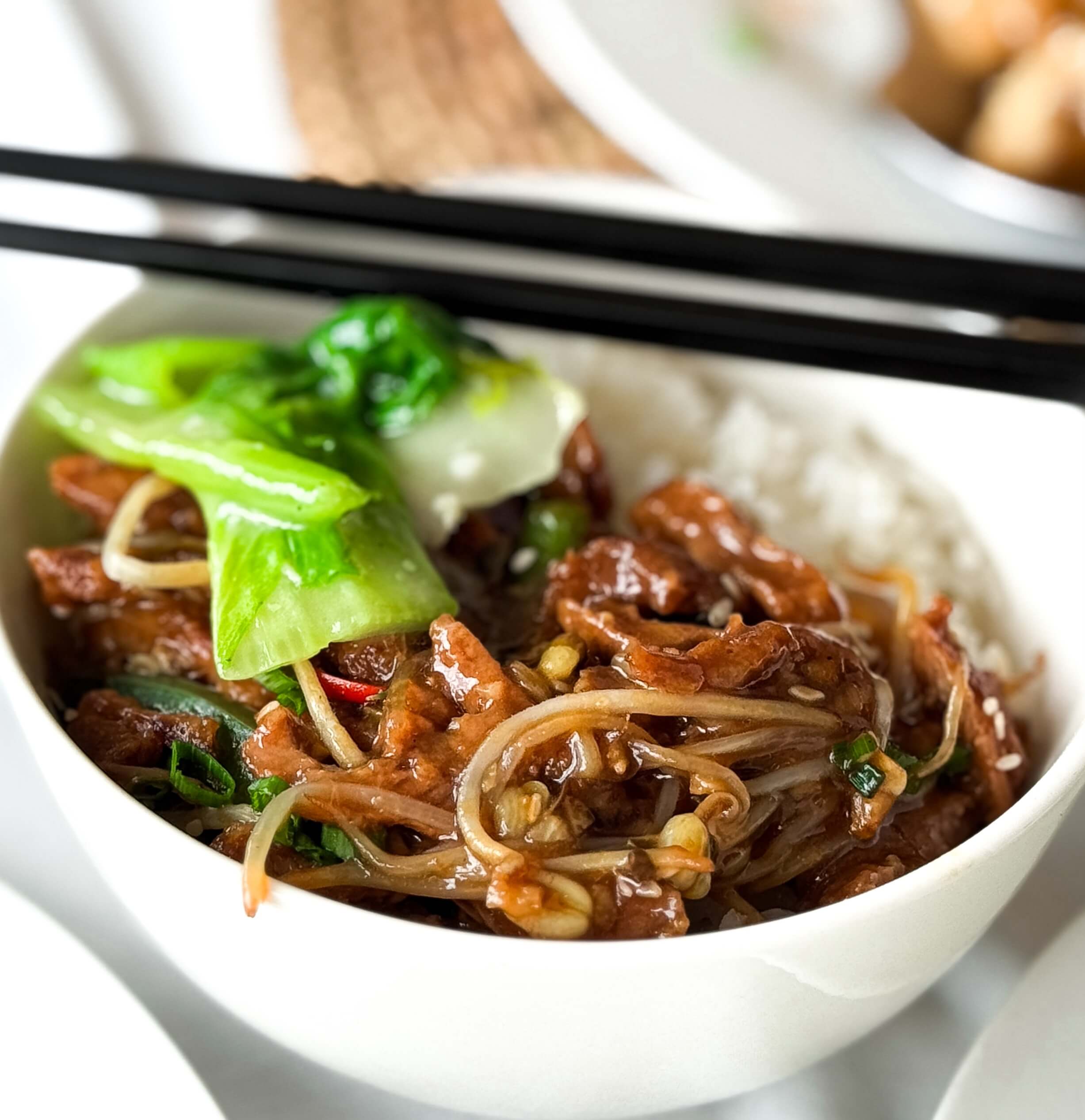
Let’s talk Chinese food in Arusha. Specifically, let’s talk about getting it right, because honestly, there’s a world beyond just “Chinese takeaway.” Today, we’re cutting through the noise to help you understand the core differences between two powerhouses of Chinese cuisine: the bold, fiery punch of Szechuan and the nuanced, often sweeter elegance of Cantonese. And yes, you can find authentic Szechuan in Arusha – if you know where to look.
My journey into the heart of Chinese cooking began, like many good stories, with a simple curiosity and a good friend. Here in Arusha, it’s easy to settle for the familiar. But what if I told you there’s a depth of flavour waiting to be explored, a culinary landscape that can transform your understanding of what Chinese food truly is? That’s what we’re diving into today. No fluff, just the facts and a guide to experiencing these incredible tastes.
What Exactly Defines Szechuan Cuisine? The Fiery Heart of Chinese Cooking
When you hear “Szechuan,” what comes to mind? For most, it’s heat. And you’re not wrong. Szechuan cuisine, hailing from the southwestern province of Sichuan in China, is renowned globally for its bold, pungent, and often incredibly spicy flavours. But here’s the kicker: it’s not just about the heat. It’s about a unique complexity that engages every part of your palate.
The star of the show in Szechuan cooking is undoubtedly the Sichuan peppercorn (huājiāo). This isn’t your average black pepper. Oh no. It delivers a distinctive tingling, numbing sensation—what the Chinese call “málà” (麻辣), a combination of “ma” (numbing) and “la” (spicy). This sensation is crucial. It prepares your mouth for the intense chilli heat, allowing you to appreciate the layers of flavour beneath the fire.
Beyond the peppercorn, Szechuan dishes are characterised by a heavy hand with garlic, ginger, chilli oil, and broad bean paste. Think rich, aromatic sauces that cling to perfectly cooked meats and vegetables. It’s a symphony of flavours: sweet, sour, salty, bitter, and umami, all underscored by that signature málà punch.
Signature Szechuan Dishes You Must Try in Arusha
If you’re looking for an authentic Szechuan experience, here are a few dishes that exemplify its unique profile:
- Mapo Tofu: A classic. Soft tofu cubes simmered in a rich, spicy, and deeply savoury sauce with minced meat (usually pork or beef), fermented broad bean paste, and, of course, a generous sprinkle of Sichuan peppercorns. It’s comfort food with a kick.
- Kung Pao Chicken: Forget the overly sweet versions you might have tried. Authentic Kung Pao is a vibrant stir-fry featuring diced chicken, peanuts, dried chillies, and Sichuan peppercorns, all coated in a complex sweet, sour, and spicy sauce. It’s a dance of textures and temperatures.
- Dan Dan Noodles: These are street food royalty. Springy noodles tossed in a spicy sauce typically containing preserved vegetables, chilli oil, Sichuan peppercorns, and minced pork. It’s a dish that demands to be slurped.
Finding these dishes prepared authentically, with the right balance of málà, is what elevates a meal. It’s about respecting the tradition, and that’s precisely what we aim for when we bring genuine Szechuan flavours to Arusha.
Understanding Cantonese Cuisine: The Sweet, Subtle Art of Balance
Now, let’s pivot. If Szechuan is the fiery dragon, Cantonese is the elegant phoenix. Originating from Guangdong province (formerly Canton), this cuisine is vastly different, focusing on fresh ingredients, delicate flavours, and meticulous cooking techniques. The goal here isn’t to overwhelm but to enhance the natural taste of the components.
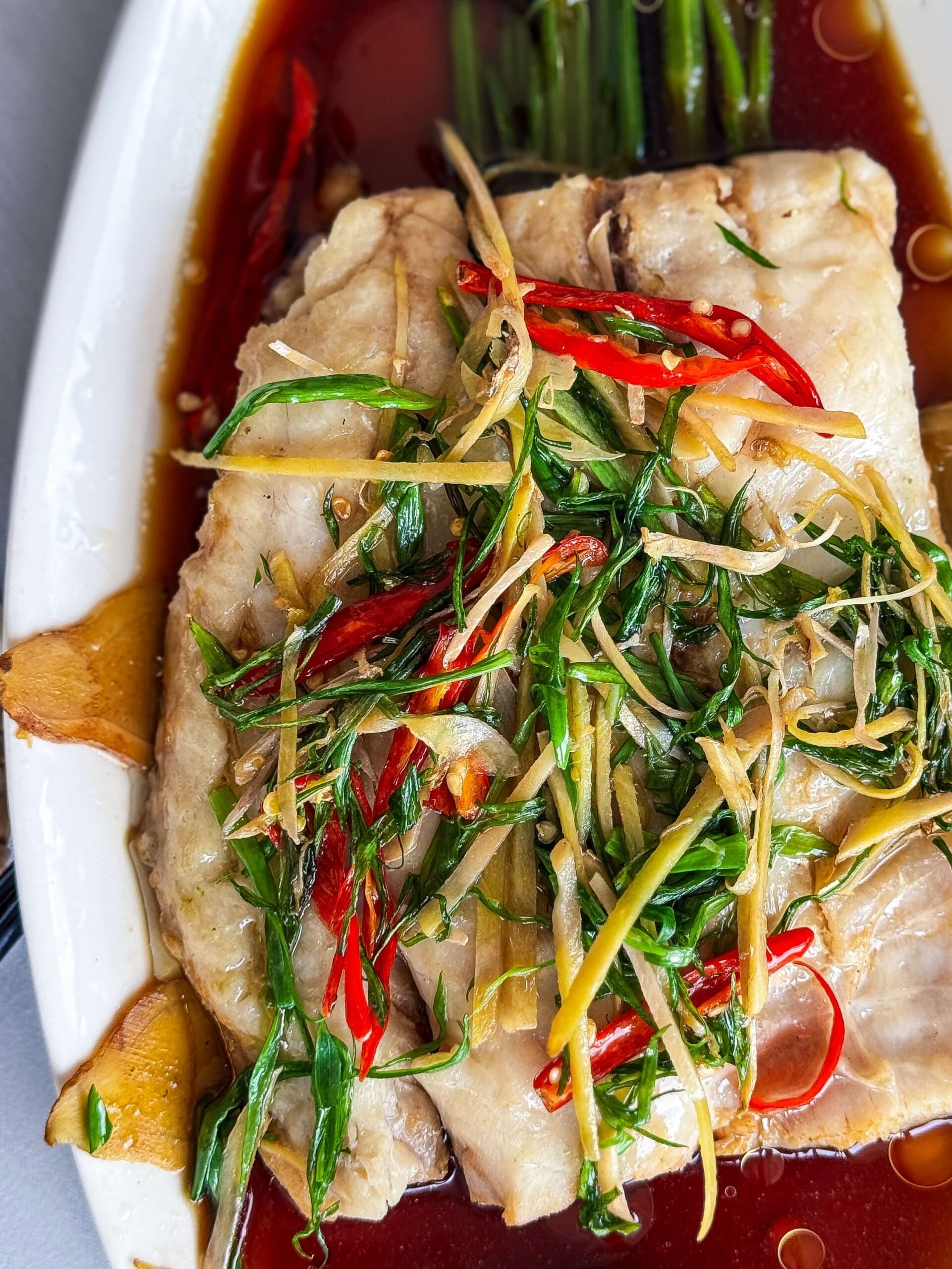
Cantonese cooking prizes balance. You won’t find the intense spiciness of Szechuan here. Instead, chefs aim for a harmonious blend of sweet, savoury, and umami. Common seasonings include soy sauce, oyster sauce, hoisin sauce, ginger, garlic, and rice wine. Steaming, stir-frying, and roasting are preferred methods, chosen to preserve the integrity and natural goodness of the ingredients.
The emphasis on fresh produce, seafood, and high-quality meats is paramount. This approach allows the true essence of each ingredient to shine through, creating dishes that are comforting, sophisticated, and deeply satisfying. It’s a cuisine that speaks of subtlety and refinement.
Classic Cantonese Dishes to Delight Your Palate in Arusha
For those who appreciate nuanced flavours, Cantonese cuisine offers a delightful array:
- Dim Sum: This is arguably the most famous aspect of Cantonese food. It’s a culinary ritual of small, bite-sized portions served in steamer baskets or on small plates. Think delicate dumplings like Har Gow (shrimp dumplings), Shumai (pork and shrimp dumplings), and fluffy Char Siu Bao (barbecue pork buns). Each piece is a masterpiece of flavour and texture.
- Sweet and Sour Pork (or Chicken): While often imitated, authentic Cantonese sweet and sour is a marvel. It features tender pieces of meat, often lightly battered and fried, tossed in a vibrant sauce made with vinegar, sugar, and sometimes ketchup, alongside bell peppers, onions, and pineapple. The key is the perfect balance of sweet and tangy.
- Roast Meats (Siu Mei): Dishes like Char Siu (barbecue pork), Roast Duck, and Crispy Pork Belly are cornerstones. These meats are marinated, roasted to perfection, resulting in incredibly tender interiors and beautifully crispy, flavourful skins. They are a testament to the Cantonese mastery of roasting.
Experiencing these dishes done right is a revelation. It showcases the finesse and dedication that goes into truly great Cantonese cooking, a quality we are proud to offer here at Chinese Whispers.
Szechuan Arusha vs. Cantonese Arusha: Making Your Choice
So, how do you decide between the two when dining out for Chinese in Arusha? It really boils down to your preference and what kind of culinary adventure you’re seeking. Are you in the mood for an exhilarating thrill, a dish that wakes up every taste bud with its audacious heat and complex aromas? Or do you crave something more soothing, a meal that whispers with subtle flavours and refined techniques?
Let me put it this way: choosing between Szechuan and Cantonese isn’t about one being “better” than the other. It’s about understanding your palate’s current desire. Think of it like this: Szechuan is your adventurous friend who drags you out for an unforgettable, high-energy experience. Cantonese is your calm, sophisticated friend who invites you for a deeply satisfying, elegant gathering.
When to Choose Szechuan
Opt for Szechuan when:
- You love spicy food and crave that unique málà sensation.
- You’re looking for bold, complex flavours that are deeply aromatic.
- You want to feel truly invigorated by your meal.
- You appreciate dishes with a rich history of peasant cooking and robust ingredients.
When to Choose Cantonese
Choose Cantonese when:
- You prefer milder, more delicate flavours.
- You want to savour the natural taste of fresh ingredients.
- You’re in the mood for steamed dishes, expertly roasted meats, or exquisite dim sum.
- You appreciate a cuisine that prioritizes balance, freshness, and sophisticated technique.
The beauty is, in a place like Chinese Whispers, you don’t always have to choose. You can explore both, finding your favourites from each regional style. Whether it’s the thrill of Szechuan in Arusha or the comfort of Cantonese, the exploration is half the fun.
Where to Find Authentic Chinese Flavours: Your Guide to Chinese Whispers, Arusha
My own journey, much like the founders of Chinese Whispers, taught me the value of authentic flavours. The restaurant’s story is rooted in passion and a meaningful friendship between a former military chef and a Chinese chef. Together, they brought genuine Chinese tastes to Arusha. This isn’t just about serving food; it’s about sharing a culinary heritage, one plate at a time.
We’ve poured our hearts into creating a dining experience that respects these traditions. Our goal at Chinese Whispers is to offer a slice of both Szechuan and Cantonese excellence, prepared with the same care and expertise you’d find in their respective homelands. We understand that finding true Szechuan in Arusha or delicate Cantonese dim sum can be a challenge, and we’ve risen to meet it.
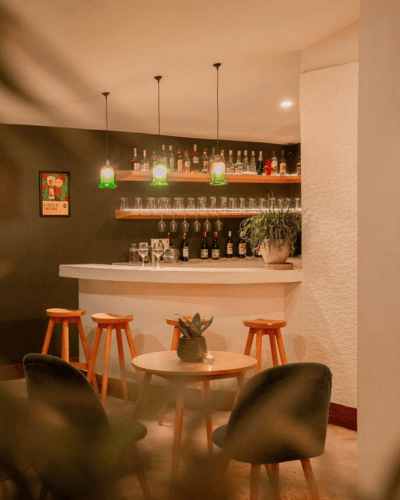
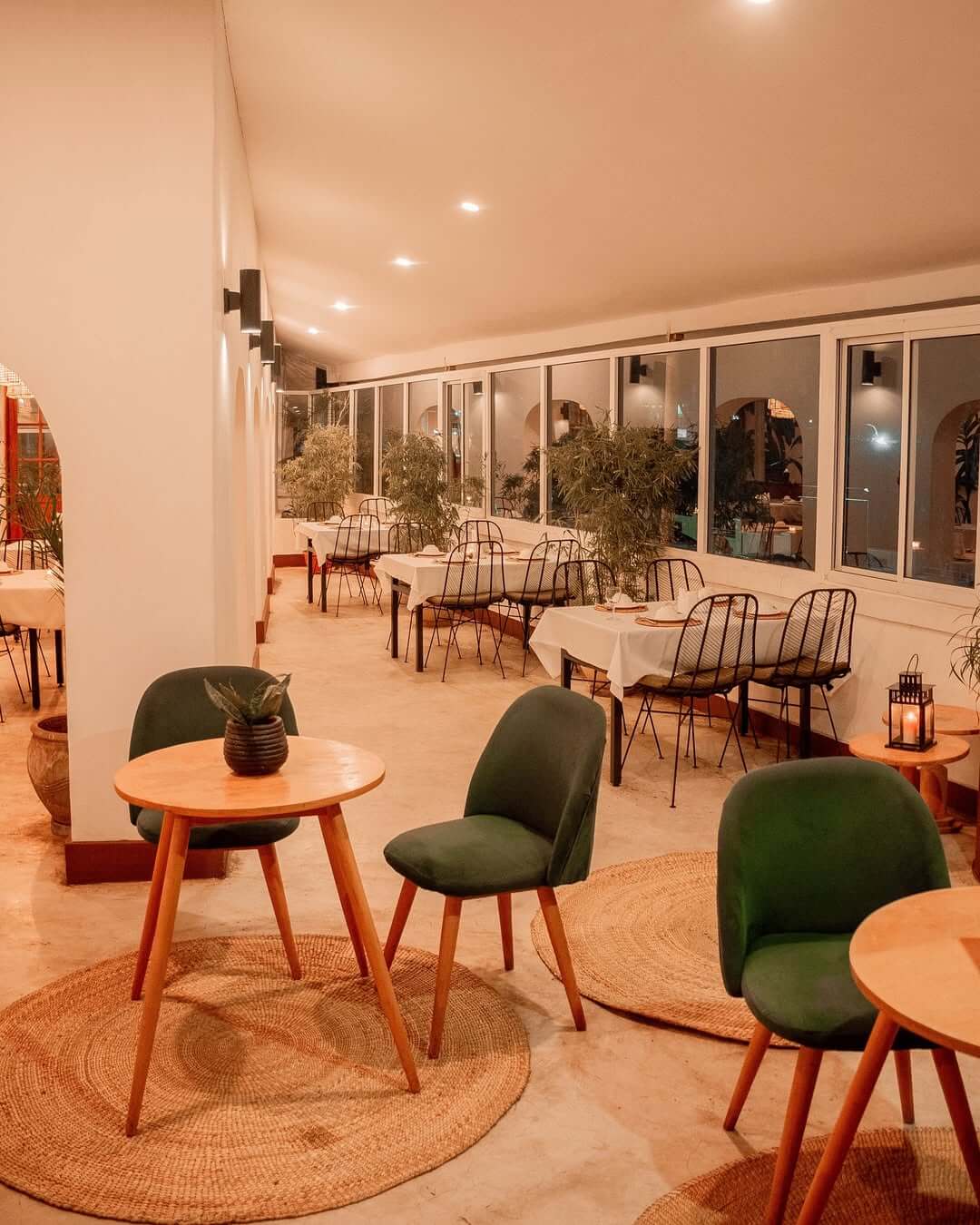
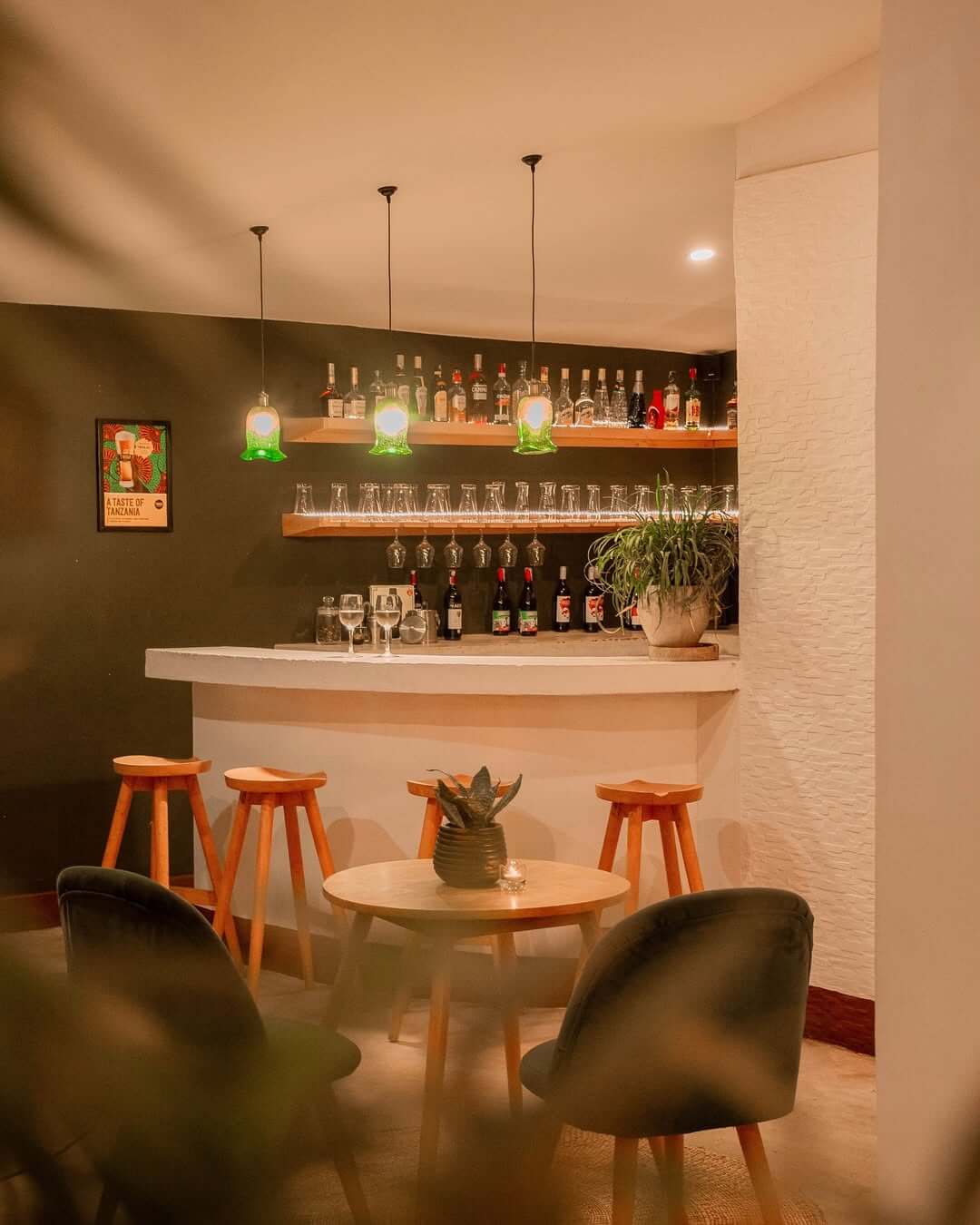
From the moment you step into our restaurant at Njiro Complex, 1st Floor, Arusha, Tanzania, you’ll feel the warmth and dedication. It’s a place where locals and visitors alike can gather, enjoy delicious meals, and feel right at home. We believe every meal should carry a story, and ours is one of passion, friendship, and a commitment to authentic taste.
Whether you’re exploring our diverse menu, planning office deliveries for a team lunch, or considering us for outdoor catering, our promise remains the same: exceptional food, prepared with heart. We’ve even expanded our family with a sister branch, Garden Kitchen, in Kenya, a testament to our commitment to quality and flavour.
Frequently Asked Questions About Chinese Cuisine in Arusha
What is the main difference between Szechuan and Cantonese food?
The primary difference lies in their flavour profiles and cooking techniques. Szechuan cuisine is known for its bold, spicy, and numbing (málà) flavours, often using Sichuan peppercorns and chilli. Cantonese cuisine, on the other hand, is generally milder, focusing on fresh ingredients, delicate seasoning, and methods like steaming and stir-frying to highlight natural flavours.
Can I find authentic Szechuan dishes in Arusha?
Yes, absolutely. Restaurants like Chinese Whispers in Arusha specifically aim to bring authentic Szechuan flavours, including signature dishes like Mapo Tofu and Kung Pao Chicken, prepared with traditional ingredients and techniques.
Are Cantonese dishes always sweet?
No, not always. While Cantonese cuisine is known for dishes with a balance of sweet and savoury notes, such as Sweet and Sour Pork, it also features many savoury dishes like steamed fish, roast meats, and a wide variety of dim sum that are not sweet.
Which cuisine is healthier, Szechuan or Cantonese?
Both cuisines can be healthy depending on the specific dish and preparation method. Cantonese cuisine often uses steaming and less oil, which can be lighter. Szechuan food, while flavourful, can sometimes involve more oil and spicy elements. The key is balance and choosing dishes with plenty of vegetables and lean proteins.
Where can I get good Chinese food delivery in Arusha?
Chinese Whispers offers reliable food delivery services across Arusha. You can visit their website or call them directly at +255 688 969 669 to place an order, whether it’s for office deliveries or a family meal at home.
The Final Word: Embrace the Flavours of Szechuan Arusha and Beyond
Look, here’s the deal. Eating out should be an experience, not just a transaction. Understanding the nuances between Szechuan and Cantonese cuisine elevates that experience, allowing you to make informed choices and truly appreciate the artistry behind each dish. It’s about more than just filling your stomach; it’s about expanding your palate and your understanding of global flavours.
Whether you’re a seasoned foodie or just starting your exploration of Chinese cuisine, Arusha offers some fantastic opportunities. Don’t settle for generic. Seek out the genuine article. Dive into the intense málà of Szechuan, or gently explore the delicate balance of Cantonese. Both offer immense satisfaction.
My advice? Start experimenting. Come visit us at Chinese Whispers. Our team is ready to guide you through our menu and help you discover your new favourite. We are located at Njiro Complex, 1st Floor, Arusha, Tanzania. You can also reach us at +255 688 969 669 or booking@chinesewhispers.co.tz.
Because at the end of the day, whether it’s a fiery bowl of authentic Szechuan in Arusha or a beautifully steamed Cantonese delicacy, truly good food connects us, tells a story, and leaves a lasting impression. Don’t just eat; experience.


Leave A Comment